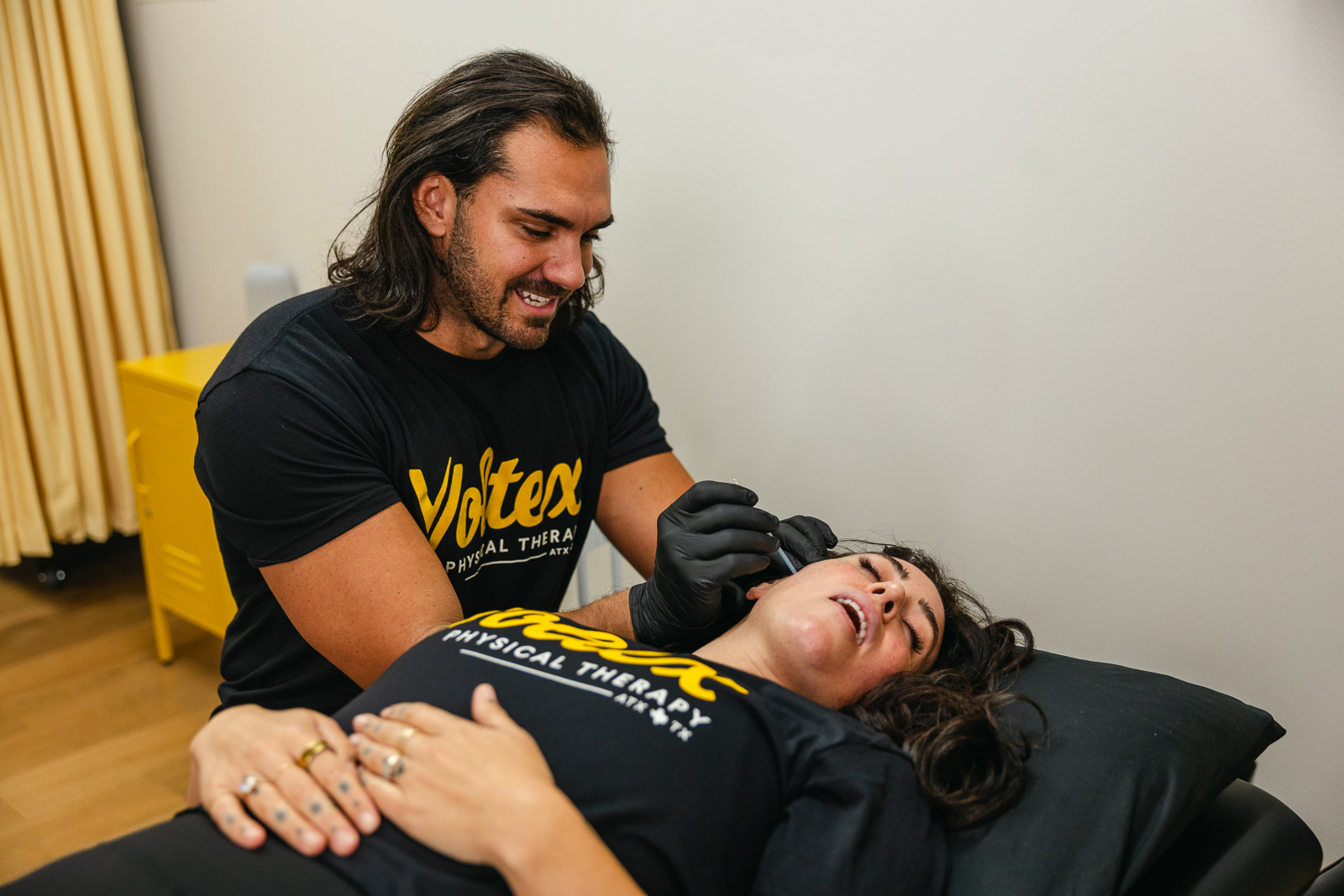
TMJ Treatment in Austin, TX
Relieve Jaw Pain, Clicking, and Tension at Voltex Physical Therapy
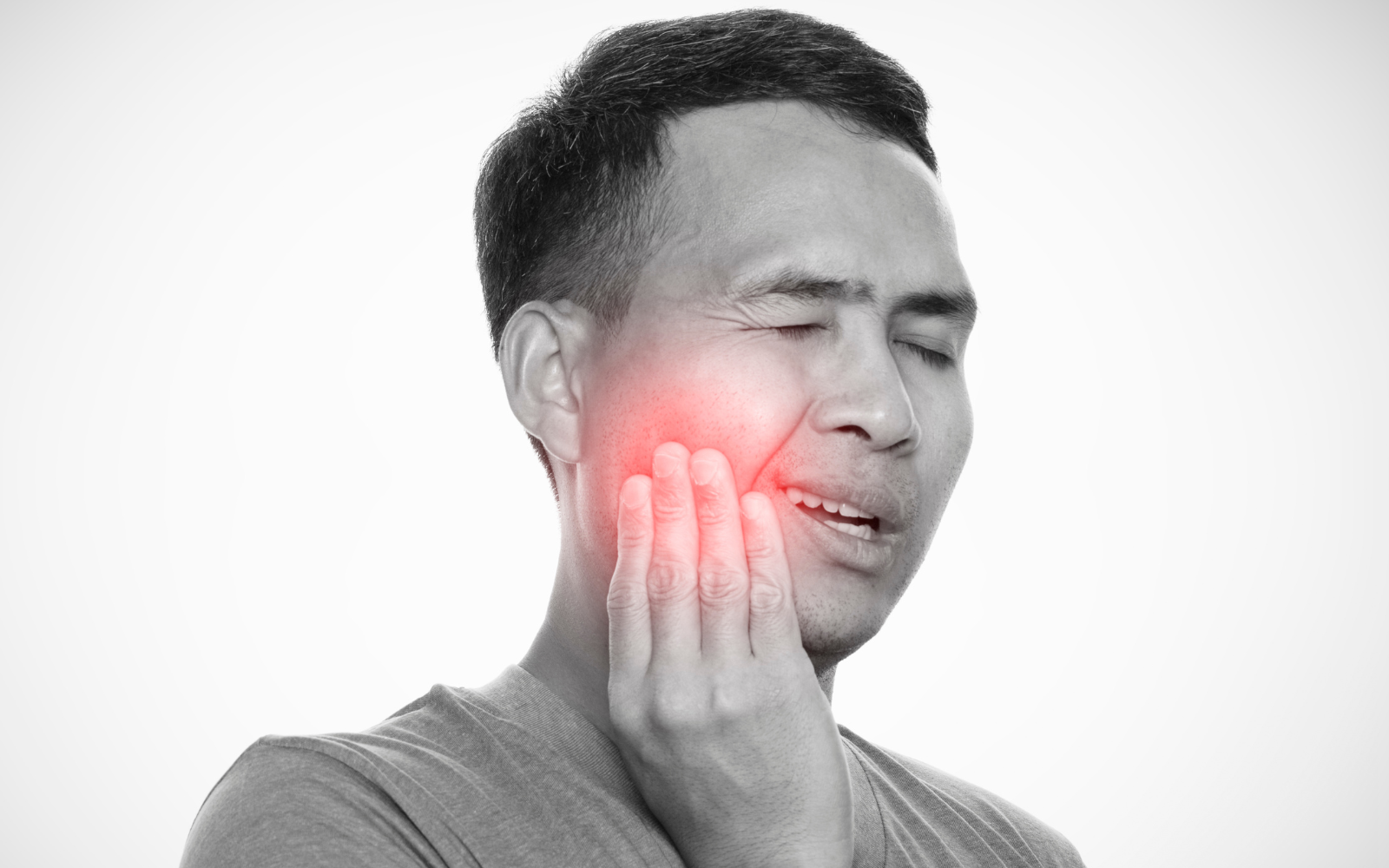
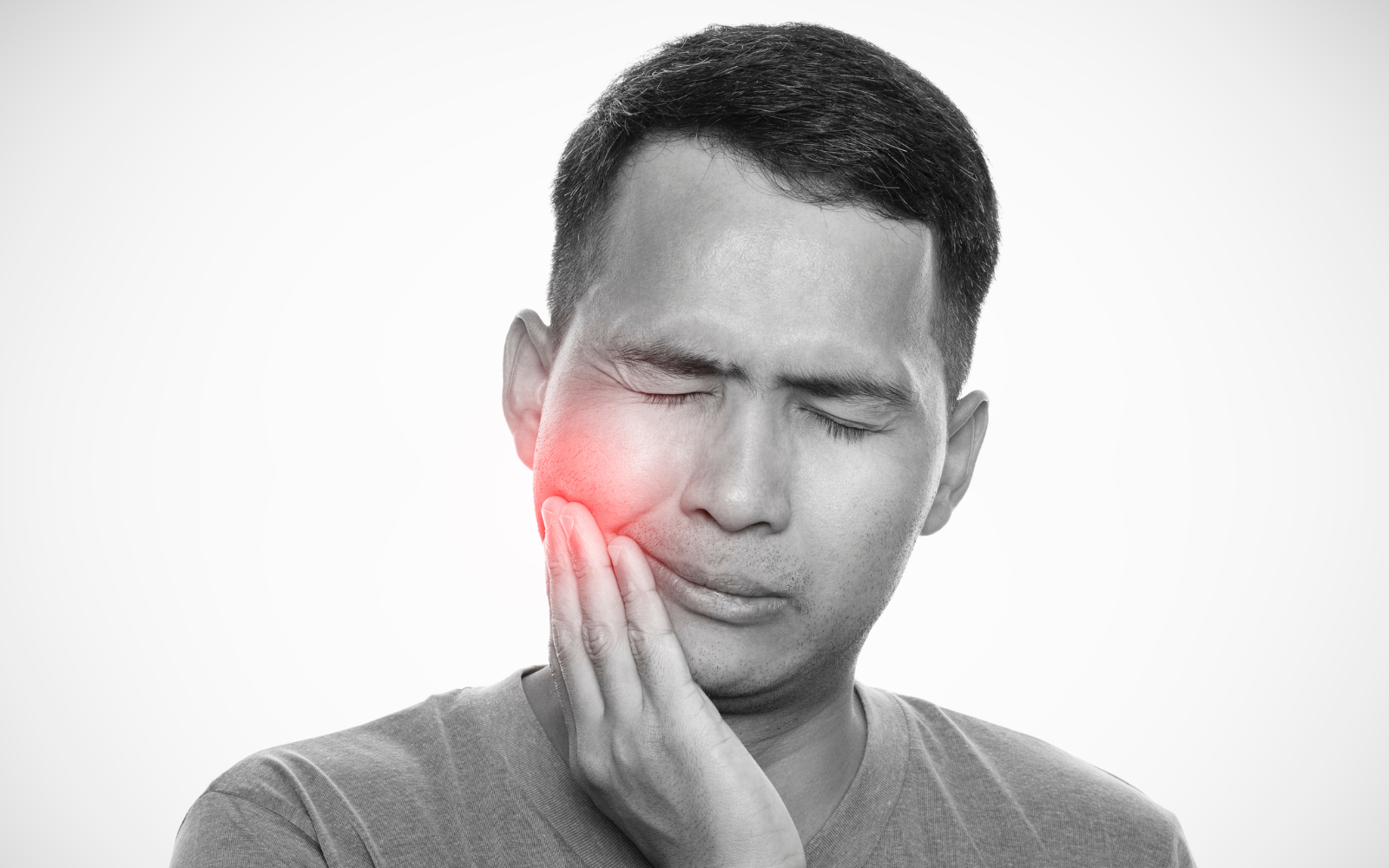
If you’re dealing with jaw pain, clicking, limited opening, or tension headaches, you’re not alone. Temporomandibular joint dysfunction (TMD) affects many active adults in Austin — and it’s rarely just a jaw issue.
At Voltex Physical Therapy, we take a performance-based, full-body approach to TMJ treatment so you can get back to eating, training, and living without pain.
Why TMJ Pain Isn’t Just a Jaw Problem
Many people are told their TMJ pain is caused by clenching or stress. While those factors can contribute, research consistently shows that TMD is strongly linked to the cervical spine (neck).
Studies report that up to 70% of patients with TMD also present with neck pain and dysfunction, including reduced mobility, muscle tenderness, and impaired motor control.
That’s why at Voltex, we don’t just treat your jaw — we evaluate and treat the entire system contributing to your symptoms.
Our 4 Pillars of TMJ Treatment in Austin
At Voltex Physical Therapy, our TMJ treatment is built around four key pillars:
1. Manual Therapy (Restore Joint Motion & Reduce Pain)
We use targeted, hands-on techniques to improve how your jaw moves and functions. This includes:
- TMJ joint mobilizations to improve joint glide and disc mechanics
- Techniques to restore symmetrical opening and closing patterns
- Buccal soft tissue mobilization (intraoral) to address deeper muscular and fascial restrictions
Manual therapy has been shown to improve
- Pain levels
- Mouth opening
- Jaw function
Clinically, this is often the fastest way to reduce irritation and restore normal joint mechanics, creating a foundation for long-term improvement.
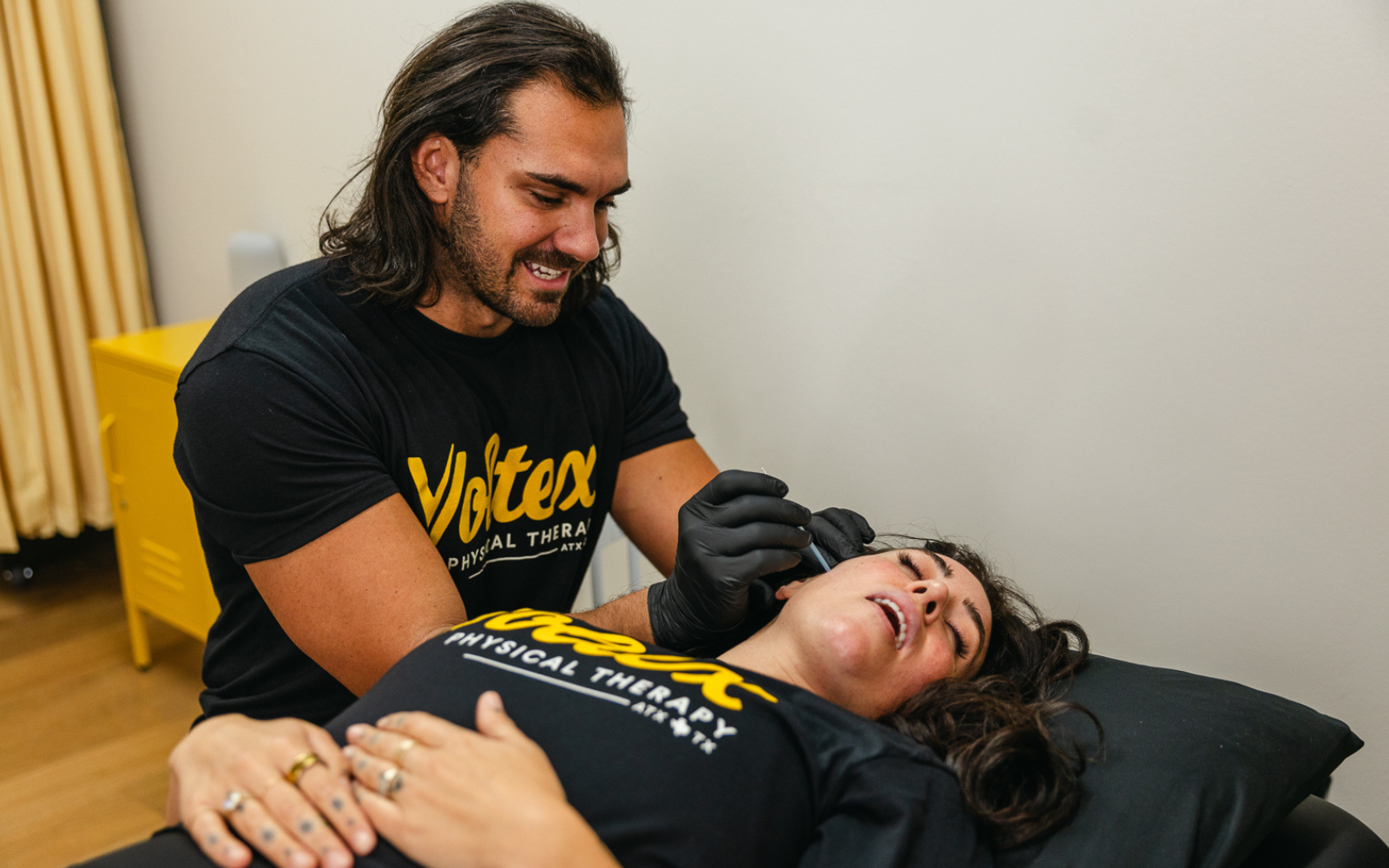
2. Dry Needling for TMJ Muscles
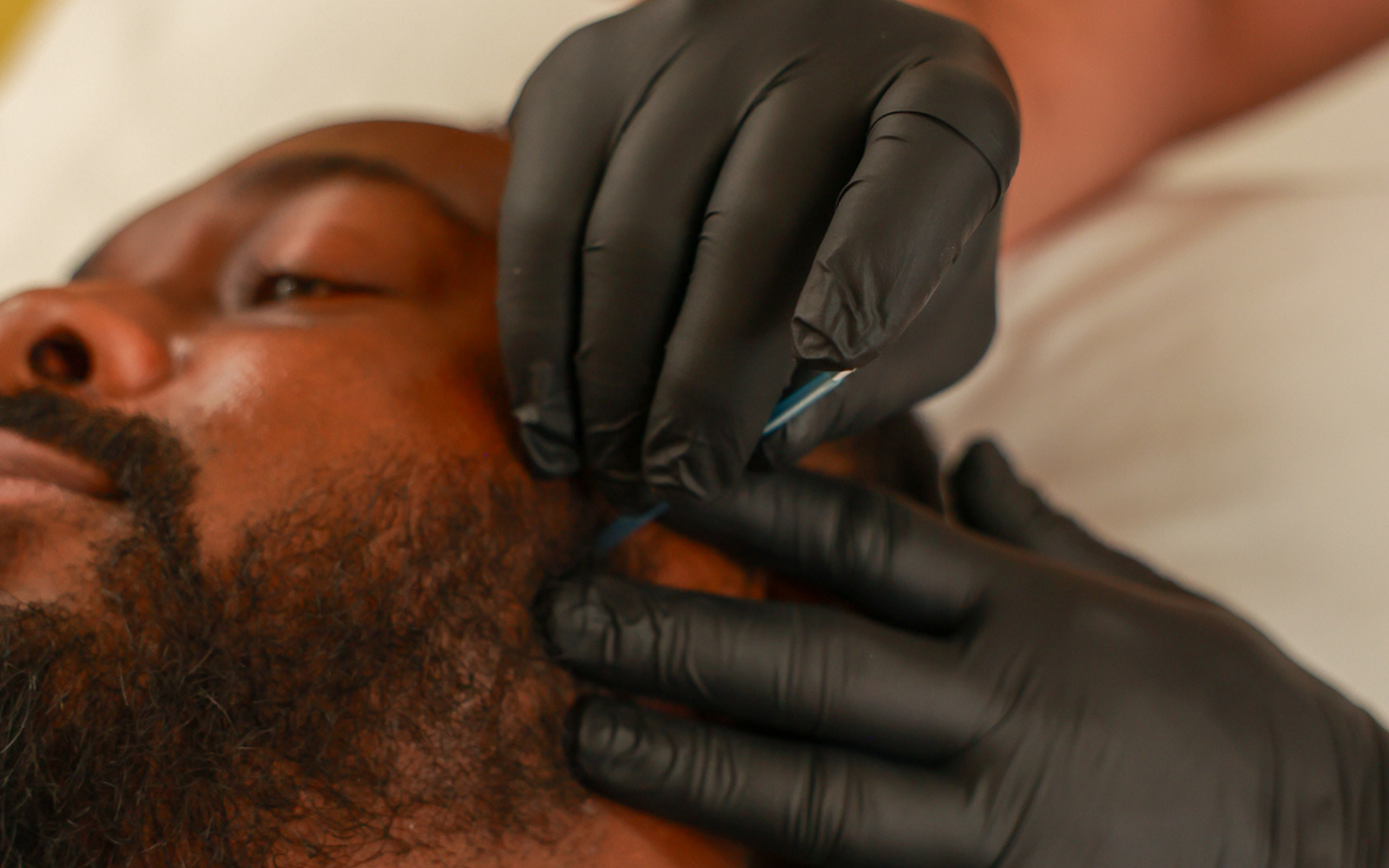
We use dry needling to address key muscles involved in TMJ dysfunction:
Masseter (superficial & deep)
- Primary muscle for jaw elevation (closing)
- Commonly overactive with clenching and grinding
- Can refer pain into the teeth, temples, and jaw
Lateral Pterygoid
- Controls jaw opening and forward movement (protrusion)
- Plays a critical role in disc positioning and joint stability
- Often involved in clicking, locking, or instability
Medial Pterygoid
- Assists with jaw closing and side-to-side movement
- Works synergistically with the masseter
- Frequently tight and tender in TMD patients
Dry needling helps:
- Reduce muscle tone and guarding
- Decrease trigger point sensitivity
- Improve jaw mobility and movement quality
Research supports its role in improving pain and mouth opening, particularly in patients with myofascial TMD
3. Neubie Therapy (Neuromuscular Re-Education)
At Voltex Physical Therapy, we incorporate the Neubie device (by NEUFIT) as part of a comprehensive TMJ treatment plan to improve how your muscles and nervous system work together.
We use it to support:
- Muscle relaxation
- Neuromuscular control
- Movement retraining
For patients with TMJ dysfunction, this can help:
- Reduce guarding in the jaw and cervical muscles
- Improve coordination between the jaw and neck
- Decrease pain during functional movements like talking and chewing
The Neubie uses pulsed direct current (DC), which differs from traditional electrical stimulation devices that use alternating current (AC). Electrical stimulation in rehabilitation has been shown to improve muscle activation, neuromuscular recruitment, and motor control, all of which are essential in treating TMD.
Emerging evidence suggests that current type (DC vs AC) may influence outcomes such as muscle activation and fatigue, with some studies indicating that direct current stimulation can produce meaningful clinical improvements compared to traditional AC-based stimulation in certain conditions.
While TMJ-specific research on the Neubie is still developing, the broader evidence supporting neuromuscular electrical stimulation—combined with manual therapy and movement-based rehab—makes it a valuable tool for restoring normal jaw and neck function.
4. Neck & Posture (The Missing Link in TMJ Treatment)
This is where many treatment approaches fall short.
Patients with TMD commonly present with:
- Neck stiffness
- Postural dysfunction
- Weak deep neck flexors
- Upper cervical mobility restrictions
There is a well-established relationship between jaw dysfunction and cervical spine impairment, including shared neuromuscular and biomechanical influences.
At Voltex, we assess and treat:
- Cervical spine mobility
- Postural mechanics
- Muscle imbalances
- Movement patterns
Because if the cervical spine is not functioning well, the jaw is often forced to compensate — leading to ongoing irritation and overload.
What Makes Voltex Different?
If you’re searching for TMJ treatment in Austin, here’s what sets us apart:
✔ 75-minute one-on-one evaluations
✔ 60-minute follow-up sessions (no techs, no overlap)
✔ Hands-on, performance-based care
✔ Focus on root cause, not just symptoms
✔ Integration of manual therapy, dry needling, and neuromuscular retraining
Conditions We Treat
We help clients with:
- Jaw pain
- Clicking or popping
- Limited mouth opening
- Pain with chewing
- Clenching & grinding
- Headaches and migraines
- Neck pain associated with TMJ
Start TMJ Treatment in Austin Today?
If you’re tired of dealing with jaw pain, stiffness, or clicking….We can help!
Text: 512-200-4067
Email: hello@voltexpt.com
Research Supporting Our Approach?
- Silveira A, et al. (2015) – Jaw dysfunction is associated with neck disability and muscle tenderness in TMD patients. Journal of Oral Rehabilitation.
- de Wijer A, et al. (1996) – High prevalence of cervical spine symptoms in individuals with TMD. Journal of Oral Rehabilitation.
- Armijo-Olivo S, et al. (2011) – Relationship between the cervical spine and craniofacial pain. Journal of Orofacial Pain.
- Vieira LS, et al. (2023) – Manual therapy improves pain, mouth opening, and disability in TMD. Systematic Review & Meta-Analysis.
- Calixtre LB, et al. (2015) – Manual therapy improves pain and jaw mobility in TMD. Systematic Review of RCTs.
- Kalamir A, et al. (2007) – Intraoral myofascial therapy improves symptoms in chronic TMD. Randomized Controlled Trial.
- Vier C, et al. (2019) – Dry needling reduces pain in orofacial TMD. Systematic Review & Meta-Analysis.
- González-Pérez LM, et al. (2015) – Dry needling of the lateral pterygoid improves pain and function.
- González-Pérez LM, et al. (2012) – Deep dry needling effective for temporomandibular myofascial pain.
- Fernández-Carnero J, et al. (2010) – Dry needling of the masseter improves pain and sensitivity.
- Bednarczyk V, et al. (2024) – Cervical rehabilitation improves pain in TMD. Systematic Review & Meta-Analysis.
- La Touche R, et al. (2009) – Cervical manual therapy improves TMJ pain and function.
- Olivo SA, et al. (2010) – Exercise therapy plays a role in TMD management. Systematic Review.
- Okeson JP (2019) – Management of Temporomandibular Disorders and Occlusion
FAQ Section
Q: Do I need a referral for TMJ physical therapy in Austin?
No, Texas is direct access — you can start without a referra for 30 daysl.
Q: How long does TMJ treatment take?
Most clients see improvement within 4–8 visits depending on severity.
Q: Can TMJ cause neck pain?
Yes — up to 70% of TMJ patients also have neck involvement.